Healthiest Kitten Food: Best Picks, Wet vs Dry, Avoid

What is the healthiest food to feed a kitten?
The healthiest food for a kitten is a complete-and-balanced kitten formula that’s specifically labeled for “growth” (or “all life stages”) and matches your kitten’s age, size, and health needs. Look for a product that lists a high-quality animal protein (like chicken, turkey, or salmon) among the first ingredients, provides essential fats such as DHA for brain and vision development, and includes the right balance of vitamins and minerals for strong bones and teeth.
Why kitten-specific food matters
Kittens grow fast, so they need more calories, protein, and certain nutrients than adult cats. A kitten recipe is designed to support healthy weight gain, muscle development, immune function, and proper skeletal growth. Feeding adult cat food too early can leave nutritional gaps during this critical stage.
Wet vs. dry: which is healthier?
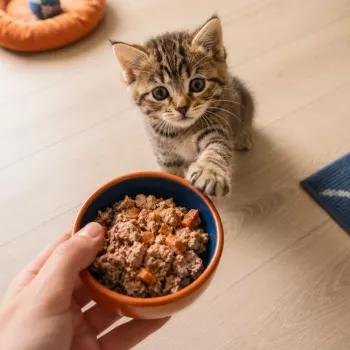
Both can be healthy if they’re complete-and-balanced for kittens. Wet food boosts moisture intake, which can help hydration, and its softer texture can be easier for younger kittens. Dry food can be convenient and helps some households with free-feeding routines, but it’s still important to ensure your kitten drinks enough water. Many owners choose a mix of wet and dry to cover hydration plus convenience.
What to avoid
Avoid foods not formulated for kittens, “treat-only” items used as meals, and unbalanced homemade diets unless a veterinarian has provided a recipe. Also skip cow’s milk—many kittens can’t digest lactose well. If you’re switching foods, transition gradually over about a week to reduce stomach upset.
For a deeper breakdown of what to look for on labels, feeding schedules, and common mistakes to avoid, visit the full guide on the healthiest food to feed a kitten.
FAQ
How often should I feed a kitten each day?
Most kittens do well with 3–4 meals per day, then gradually transition to 2 meals as they approach adulthood. Portion sizes should match the feeding guide on the label and your kitten’s body condition.









Leave a comment